Collective projects for energy-efficient renovation
Building on independent information and advice, we offer property owners a concrete way to take action and implement energy efficiency measures collectively and in a structured manner.
Our collective projects support the implementation of municipal heat planning and address the point where information alone is no longer sufficient. Together with municipalities and local trades, we create a reliable framework that provides orientation and enables clear next steps.
Property owners gain planning certainty, while contractors benefit from coordinated demand. Measures are implemented locally and based on real needs on the ground – transparent, voluntary and aligned with municipal objectives.
From information to collective decision-making
Each project is built on independent information. The aim is to reduce concerns, build trust and provide a solid basis for decision-making. Acting collectively increases credibility and lowers individual barriers.
Voluntary participation in demand aggregation offers a clear way forward: property owners join forces, providers are selected through transparent processes and improved conditions can be achieved. The more participants join by the registration deadline, the greater the collective benefit.
Structured implementation and continuity
Before or during the project, suitable building components for aggregation are identified. While our initial focus has been on heat pumps, we are increasingly extending projects to insulation measures and other efficiency components. This creates a clear foundation for collective implementation.
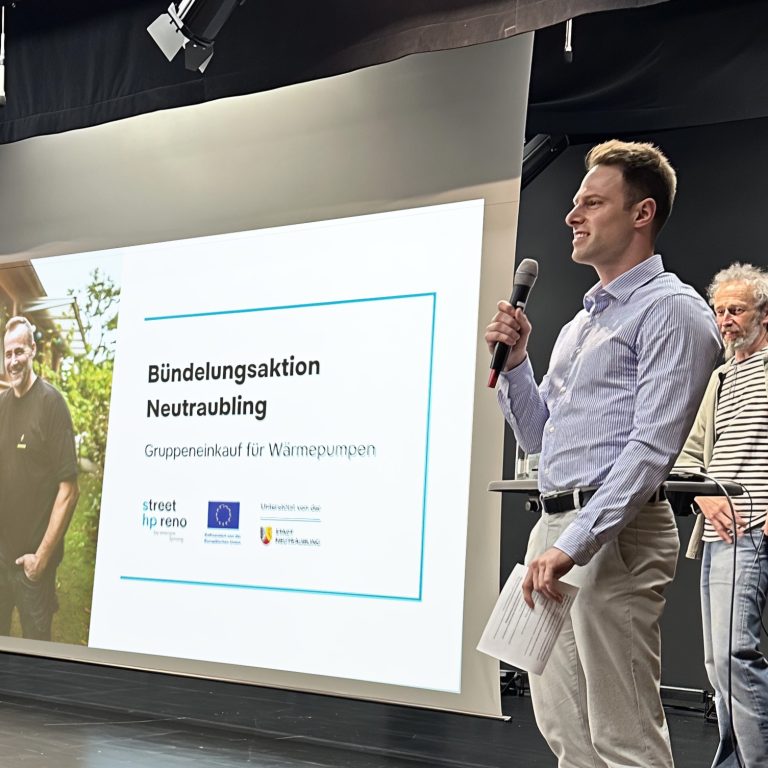
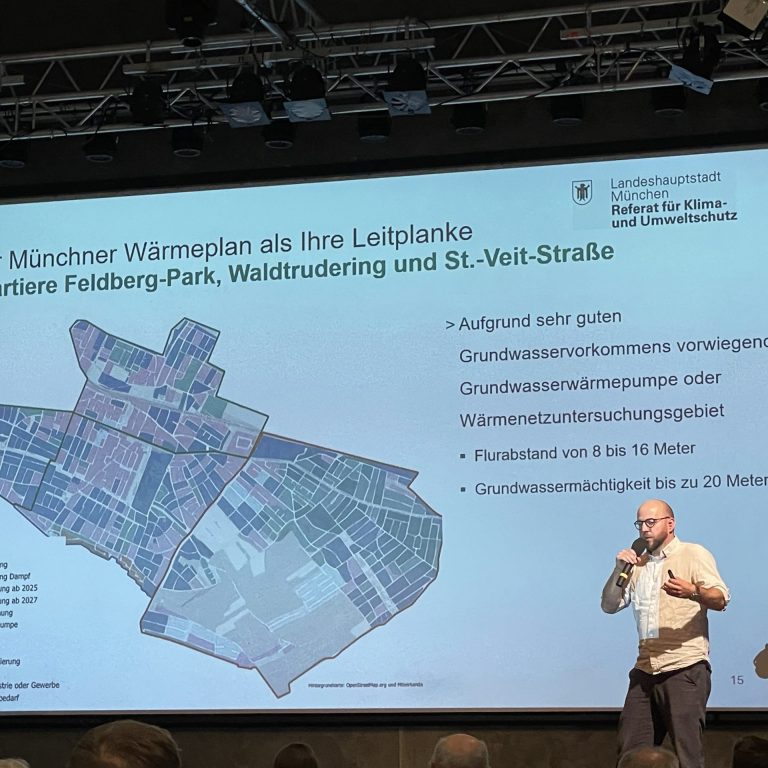
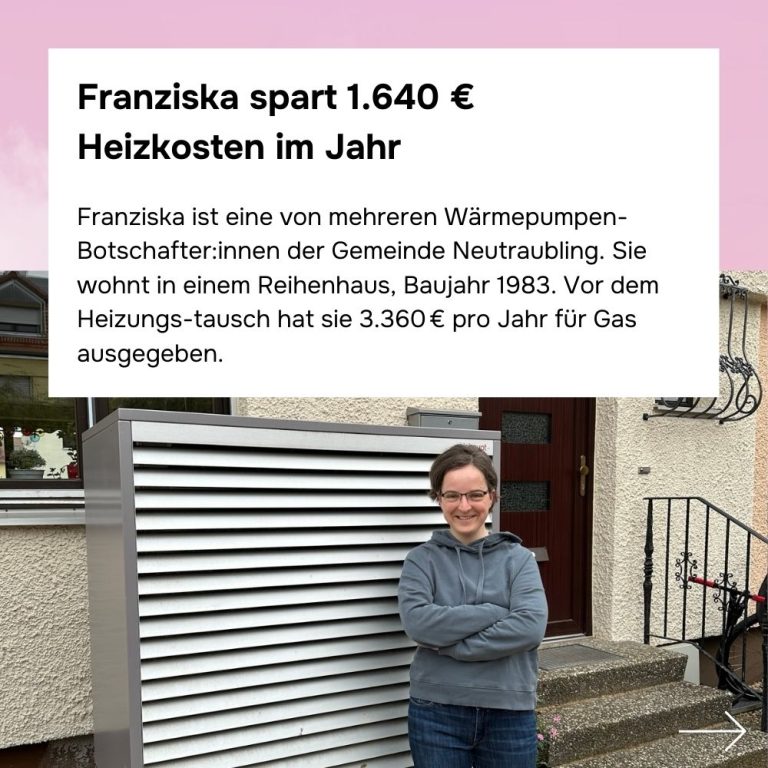
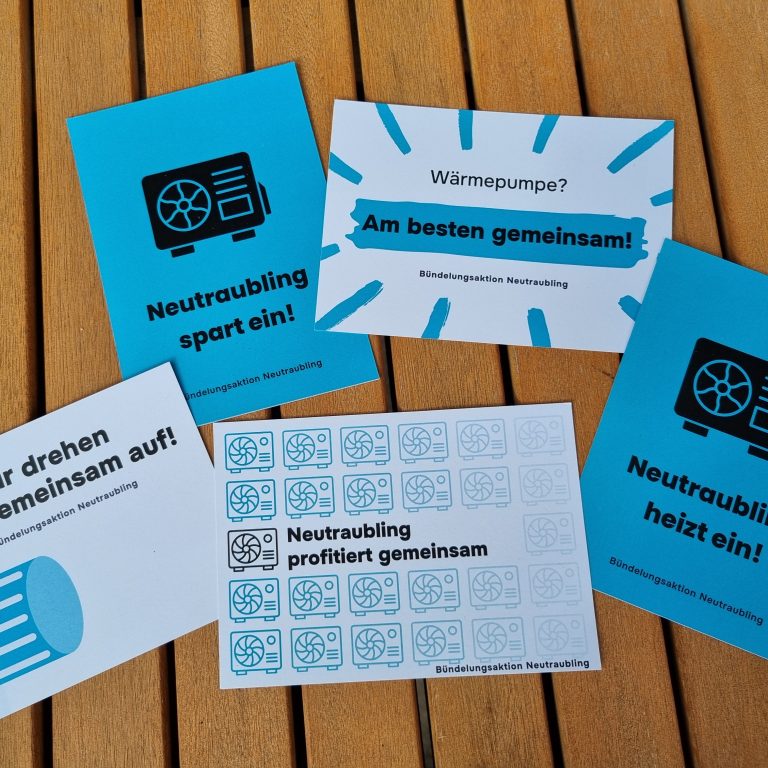
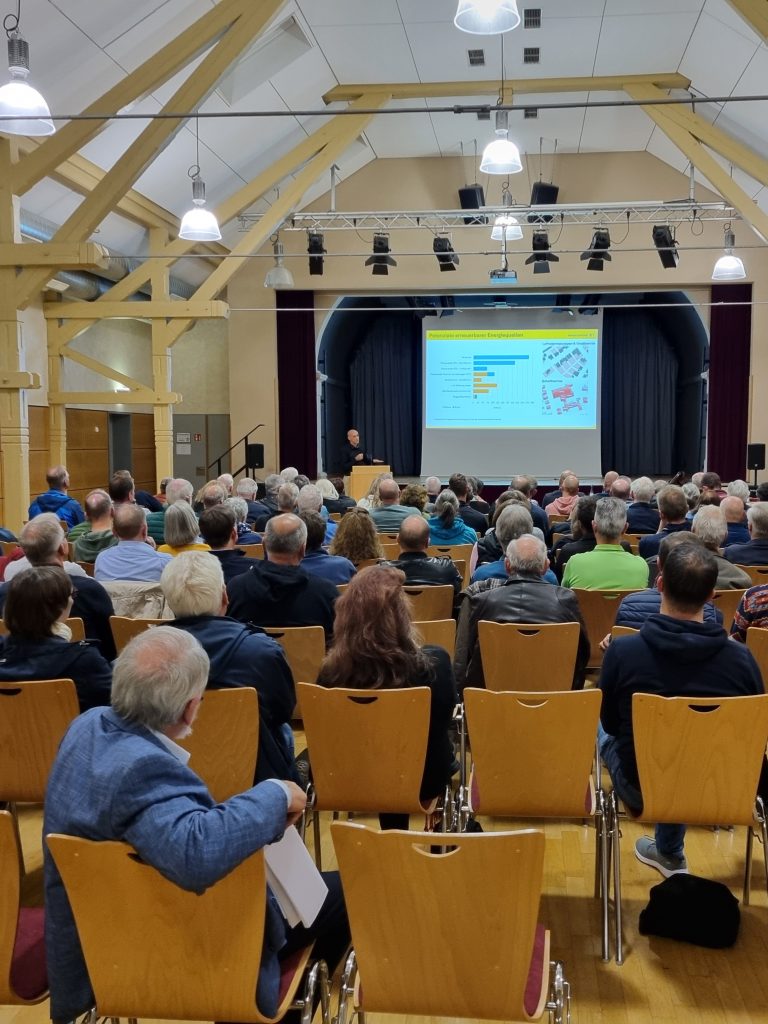
Alongside this, we develop a local communication strategy, organise information events with you and make experiences visible – for example through practical case studies from the neighbourhood. Initiatives can be repeated, extended or expanded to additional districts, allowing impact to grow step by step.
Estimated effort
Low
Running costs
Remain the same
References
Available
Questions & answers on implementation
What is the typical timeline of a demand aggregation project?
With a lead time of just a few weeks, a project can be launched. Registration for residents is then open for around 2–3 months. A further two months later, contractor selection is completed and consultations, offers and initial installations can begin.
What happens after non-binding registration?
We analyse participants’ building data and assign properties to appropriate demand groups.
How are contractors approached?
We identify contractors in the surrounding area through research, manufacturer recommendations and referrals from participants. In principle, all interested contractors are welcome to take part in the implementation. The initiative is presented to them in a dedicated online information event.
How are contractors selected?
Interested contractors apply to participate by completing an application matrix. Our scoring system enables a structured comparison across relevant criteria. We enter negotiations with the highest-scoring contractors and contractually agree their conditions. The results of the contractor selection are then presented to participants.
Are buildings assessed individually?
Yes. Participants usually receive on-site consultations and individual offers from the contractor. Heat load calculations and support with funding applications are typically provided by the contractor.
When does participation become binding for property owners?
Only once an offer from the contractor is accepted – at that point, installation begins.
Ready to implement a collective project locally?
Start a demand aggregation project for energy efficiency measures with ShiftUp – structured, transparent and without obligation.